Signs You May Need Periodontal Treatment Right Away

Most people do not wake up thinking about their gums. They notice a tooth, a cavity, maybe a bit of sensitivity to cold coffee. Gum disease tends to stay quiet until it has already built momentum. That is part of what makes it so frustrating in practice. By the time many patients ask whether they need Periodontal Treatment, the answer is no longer about prevention alone. It is about stopping damage that has already begun.
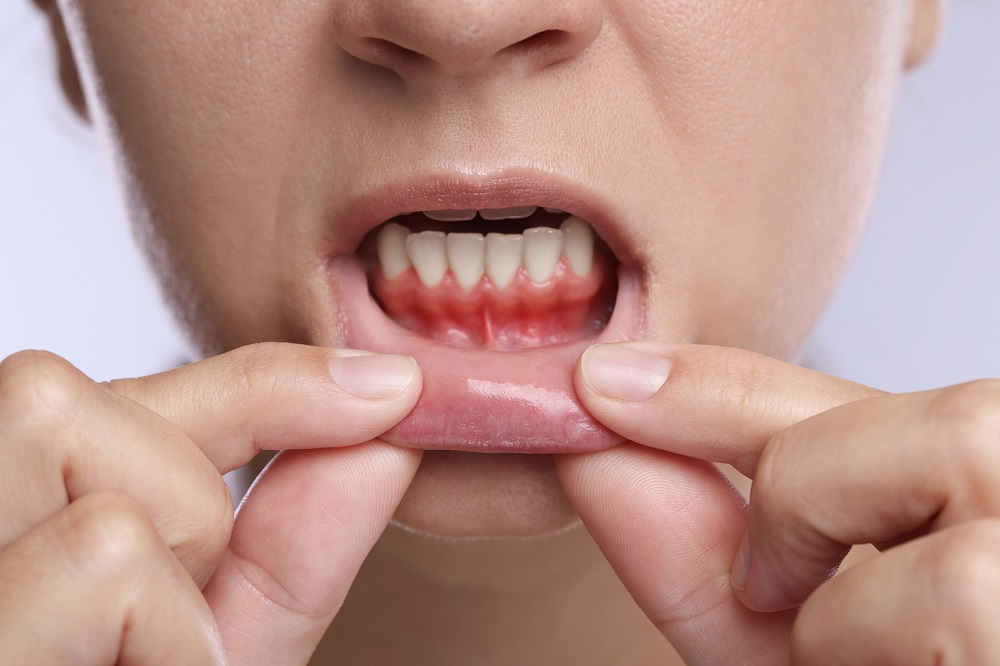
Healthy gums should be firm, pale pink to coral depending on natural pigmentation, and they should not bleed during normal brushing or flossing. They should fit closely around the teeth. When that picture starts to change, the body is often signaling inflammation, bacterial buildup below the gumline, or deeper destruction involving the ligament and bone that support the teeth.
Some signs are mild and easy to dismiss. Others should move your dental visit from “sometime this month” to “as soon as possible.” The difference matters. Early gingivitis can often be reversed with professional cleaning and improved home care. More advanced periodontal disease can require scaling and root planing, localized antimicrobial therapy, more frequent maintenance, or surgical treatment in certain cases. Waiting tends to make each step more involved, more expensive, and harder on the tissues.
Bleeding gums are common, but they are not normal
One of the most misunderstood signs is bleeding while brushing or flossing. Patients often say, “I thought I was brushing too hard,” or “It only happens when I floss after skipping a few days.” Both statements may be partly true, but bleeding is still a warning.
Inflamed gum tissue bleeds more easily because it is reacting to bacterial plaque. If the bleeding happens once after an unusually vigorous brushing session, that is one thing. If it happens repeatedly, especially along the same areas, that suggests gingivitis or something more advanced. In a healthy mouth, routine flossing should not produce blood. That point bears repeating because many people adapt to the sight of pink saliva in the sink and start treating it as background noise.
In clinical settings, bleeding on probing is one of the clearest signs that inflammation is active. It tells us the tissue is irritated and the pocket environment is not stable. If you notice bleeding several times a week, or every day, it is worth arranging an exam promptly rather than simply switching toothbrushes and hoping for the best.
Swollen, tender, or shiny gums deserve attention
Inflamed gums do not always hurt, but they often look different before they become painful. A puffy gumline, a glossy surface, or tissue that feels sore when you brush near it can point to an ongoing inflammatory process. Some people describe the sensation as “pressure” rather than pain. Others say their gums feel thick or get irritated when eating crusty bread, chips, or citrus.
These texture changes matter. Healthy gums usually have a stippled, matte appearance. When the tissue becomes swollen, it can lose that texture and look smoother and stretched. That change may seem cosmetic, but it reflects irritation below the surface.
There is also an edge case worth noting. Hormonal changes, certain medications, and dry mouth can worsen gum inflammation. Pregnancy, calcium channel blockers, some anti seizure medications, and immunosuppressants can all complicate the picture. That does not mean the gums should be ignored because there is another explanation. It means the tissues may need even closer professional monitoring.
Persistent bad breath can come from below the gumline
Bad breath is often blamed on garlic, coffee, or a coated tongue, and sometimes that is accurate. But halitosis that lingers despite brushing, flossing, and mouthwash can be one of the more socially distressing signs of periodontal disease. The odor often comes from bacteria thriving in pockets around the teeth, where oxygen levels are low and routine brushing cannot reach effectively.
Patients rarely bring this up easily. It is personal, and many worry it sounds embarrassing or vain. Yet when breath odor is persistent, especially when paired with bleeding or gum tenderness, it can provide an important clue. The smell is not simply “dirty teeth.” It often reflects bacterial metabolism and tissue breakdown.
There is a practical distinction here. Morning breath that clears after normal hygiene is common. Breath that returns quickly after cleaning, or a taste in the mouth that remains metallic, sour, or unpleasant, deserves evaluation. If a partner or family member comments on it repeatedly, take that seriously. They may be noticing a symptom that has become hard for you to detect on your own.
Gum recession is never just a cosmetic issue
When teeth start to look longer, people often focus first on appearance. In reality, recession is a structural warning. The gum margin has moved away from the crown, exposing root surface that was meant to stay covered. That root surface is more vulnerable to sensitivity, root decay, and further plaque accumulation.
Recession can be caused by more than one factor. Aggressive brushing, clenching, a thin gum phenotype, misaligned teeth, and periodontal disease can all contribute. The important question is whether the recession is stable or active. If it is progressing, or if it is paired with bleeding, pocketing, or looseness, immediate assessment matters.
One pattern that often concerns dentists is recession between teeth rather than only on the cheek side of the tooth. Interdental tissue loss can suggest underlying attachment loss and bone loss. That changes the conversation from “How do we make this look better?” to “How do we keep this tooth supported?”
Teeth that feel loose should be treated as urgent
A slight natural movement exists in healthy teeth because the periodontal ligament is not a rigid cement. But if you can feel a tooth moving more than usual, or if a bite suddenly feels off, that is a more serious sign. Mobility can develop when the supporting bone has been lost, when inflammation is severe, or when a localized infection is affecting the ligament.
Patients often notice this while chewing meat, biting into a sandwich, or flossing around a front tooth. Sometimes they describe it as a “click” or a feeling that the tooth is not seated the way it used to be. This is not a symptom to watch for several months. Teeth do not generally tighten up on their own if periodontal support is failing.
Mobility can also be worsened by grinding and clenching. That is where judgment matters. A patient who clenches heavily may develop soreness and a slight feeling of movement without severe periodontal disease. Still, the only safe way to tell is through an exam that includes pocket measurements, radiographs when appropriate, and assessment of the bite.
Pus, a pimple on the gums, or sudden swelling can signal active infection
When a patient describes a bump on the gum that comes and goes, drains a bad taste, or feels sore to the touch, the concern rises quickly. A periodontal abscess can develop when bacteria become trapped in a pocket, leading to localized infection. The area may look swollen, red, and shiny. It may hurt, but not always. Some abscesses are surprisingly painless until pressure builds.
This is one of the clearest situations where same day or next day evaluation is warranted. An abscess is not something to manage at home with salt water and good intentions. It may require drainage, deep cleaning, antibiotics in selected cases, or a broader treatment plan depending on the cause.
A similar issue can happen around food impaction sites. A popcorn hull or fibrous meat can wedge into a pocket and trigger acute swelling. Even if the immediate irritant is removed, the event may reveal an underlying periodontal problem that needs proper treatment.
Spaces between teeth that are getting wider may point to bone loss
Adults sometimes notice that food traps more easily between teeth that used to fit tightly together. Others see a small black triangle near the gumline or realize their front teeth have shifted. Movement like this can come from wear, bite changes, or habits such as tongue thrusting, but periodontal breakdown belongs high on the list of possibilities.
The bone around teeth provides shape and support. When it recedes, teeth can drift. The changes may be subtle at first. A floss strand that suddenly catches in a new way. A front tooth that overlaps slightly. A gap that seems to appear “out of nowhere” over several months. Those details matter more than many people realize.
Orthodontic movement in the presence of untreated periodontal disease can also be problematic. Straightening teeth without controlling inflammation first can worsen instability. If spacing is developing along with sore or bleeding gums, the periodontal condition has to be addressed before cosmetic goals take center stage.
Sensitivity at the gumline can be a clue, especially when paired with other signs
Cold sensitivity by itself does not prove gum disease. It may come from enamel wear, cracked teeth, whitening products, or exposed root surfaces from brushing trauma. Yet when sensitivity begins near the gumline and appears alongside recession, bleeding, or tenderness, it often fits into a larger periodontal picture.
Root exposure matters because the root does not have the same protective enamel layer as the crown. Once exposed, it can react strongly to temperature, sweets, and even cold air. People sometimes switch toothpaste and move on. That may reduce symptoms, but it does not address why the root became exposed in the first place.
The key is context. One sensitive premolar after aggressive whitening is not the same as generalized sensitivity with puffy gums, bad breath, and visible recession. Patterns tell the story better than single symptoms do.
When chewing starts to feel different, listen to that change
One of the more subtle complaints in periodontal disease is that chewing “just feels off.” A patient may not have severe pain, but certain teeth feel tender when biting. Steak becomes harder to chew. Seeds and nuts irritate one side of the mouth. The bite may seem uneven, or there may be discomfort when releasing pressure after chewing.
That can happen because inflamed periodontal ligaments are less tolerant of force. If a tooth has lost support, the forces of biting are distributed differently. Sometimes the problem is first noticed after a routine meal rather than during brushing. Patients often assume they bit something the wrong way. If the sensation persists beyond a day or two, especially with visible gum symptoms, it should be checked.
The signs that should push you to call quickly
Some symptoms allow a little room for scheduling. Others do not. If any of the following are happening, it is wise to contact a dental office promptly and explain that you may need urgent periodontal evaluation:
- Gums that bleed frequently or heavily during normal brushing or flossing
- Swelling, tenderness, or a gum bump that drains fluid or pus
- A tooth that feels loose, shifted, or painful when biting
- Sudden gum recession or rapidly increasing spaces between teeth
- Persistent bad breath or foul taste that does not improve with normal hygiene
That list is short by design. It is not a full diagnostic tool. It is the practical threshold many clinicians use when deciding whether the issue can wait for a routine cleaning or needs a faster appointment.
Why timing matters more than people expect
Periodontal disease does not always move at the same speed. Some patients progress slowly over years. Others experience bursts of rapid destruction around a few teeth. Smoking, diabetes, stress, immune status, genetics, and oral hygiene habits all influence the pace. Two people can have similar plaque levels and very different outcomes.
What makes delay risky is that the damage involves attachment and bone. Once bone is lost, treatment can often control the disease, but it cannot always rebuild the original architecture completely. That is the practical difference between treating gingivitis and treating periodontitis. In the first case, the tissue is inflamed but the support structures are still intact. In the second, the support system itself has been compromised.
From a patient’s perspective, another reason timing matters is comfort. Mild inflammation may be managed with straightforward non surgical therapy and home care changes. Advanced disease can mean deeper cleaning below the gums, local anesthesia, re evaluation visits, periodontal maintenance every three or four months, and possible referral to a periodontist. None of that should cause panic, but early care is almost always easier.
What the dental team looks for during an evaluation
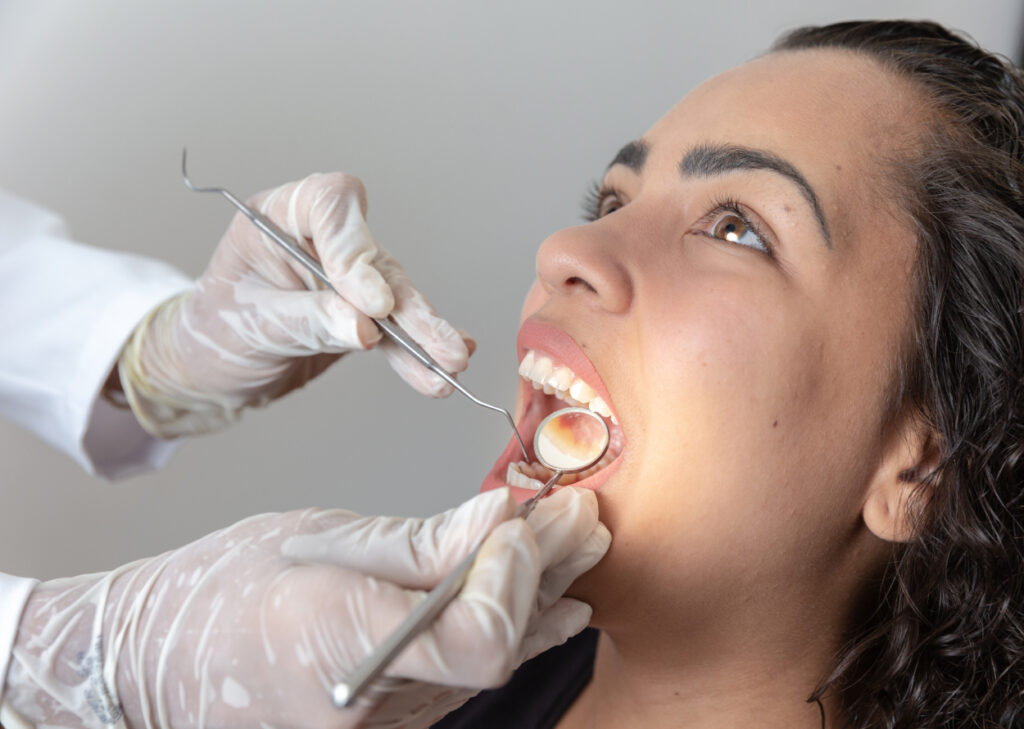
If you come in with suspected periodontal trouble, the visit usually involves more than a simple visual glance. A dentist or hygienist will assess gum pocket depths around each tooth, look for bleeding points, evaluate recession, and check mobility. Radiographs are often used to look at the bone level and identify areas of vertical or horizontal loss. Existing crowns, fillings, bite forces, and plaque retention areas also matter.
This is where nuance comes in. Not all deep pockets mean the same thing. A single isolated deep measurement may be tied to anatomy, a cracked tooth, or a localized irritant. Generalized bleeding and deeper pockets across many teeth point more strongly toward active periodontal disease. Good diagnosis depends on pattern recognition, not just one number.
Patients sometimes ask whether a standard cleaning will fix the issue. If the disease has moved below the gumline and calculus is attached to root surfaces, a regular prophylaxis is often not enough. That is when Periodontal Treatment becomes necessary. The goal is to remove bacterial deposits from places a standard cleaning is not designed to treat and to reduce inflammation so the tissue can heal.
What treatment may involve, depending on severity
Periodontal care is not one single procedure. The plan depends on how advanced the condition is, how many sites are involved, and whether there are complicating factors like smoking or uncontrolled diabetes. In many cases, the first step is scaling and root planing, often called deep cleaning. This targets deposits beneath the gumline and smooths the root surface so the tissue can reattach as well as possible.
Some patients respond very well to non surgical treatment and improved home care. Others need adjunctive therapy, closer maintenance intervals, or surgical correction for persistent pockets, furcation involvement, or recession defects. It is common for a periodontist to become involved when the case is advanced, anatomically complex, or not responding as expected.
One thing worth saying plainly: treatment success is not only about what happens in the chair. Daily plaque control at home is the difference between a good result that lasts and a temporary improvement that slips away. Periodontal disease is manageable, but it asks for consistency.
What you can do while waiting for the appointment
Home care cannot replace professional treatment when active periodontal disease is present, but it can reduce irritation and prevent things from getting worse before you are seen. The right approach is gentle and deliberate, not aggressive. Scrubbing inflamed gums harder usually backfires.
A sensible short term routine includes the following:
- Brush twice daily with a soft bristle brush, angling the bristles toward the gumline without force
- Clean between the teeth once a day with floss or interdental brushes, even if there is light bleeding
- Rinse with warm salt water if the tissue feels irritated, unless your clinician has advised a different rinse
- Avoid tobacco and cut back on very sticky or hard foods if chewing is uncomfortable
- Call sooner, not later, if swelling increases, pain escalates, or you notice pus or a loose tooth
That is not a cure. It is a way to limit additional inflammation while you move toward proper care.
The people most likely to overlook the warning signs
Not every patient who needs Periodontal Treatment fits the stereotype of someone who never brushes. Some of the more advanced cases show up in people who are diligent with brushing but miss the areas between teeth, have a strong family history, smoke socially, or have gone a little too long between cleanings because life got busy. Others are managing diabetes or taking medications that affect saliva and gum response.
https://miloazso155.tearosediner.net/understanding-periodontal-treatment-a-complete-guide-for-healthier-gumsA pattern seen often in practice is the patient who says, “My teeth don’t hurt, so I thought everything was fine.” That makes sense from a human standpoint. We are trained to react to pain. Periodontal disease does not always offer that courtesy. It can erode support quietly and show itself instead through bleeding, odor, shifting teeth, or gum recession.
Another group at risk is people who have not had a periodontal charting in a long time. A quick polishing visit every year or two is not enough to monitor gum health properly. Without pocket measurements and periodic radiographic review, the disease can progress under the radar.
If you are wondering whether you are overreacting, you probably are not
Patients often hesitate because they do not want to waste anyone’s time. They worry the bleeding is minor, the bad taste is temporary, or the looseness is their imagination. In reality, dental teams would much rather examine an early problem than manage a crisis that could have been caught months sooner.
Gum disease is one of those conditions where the small changes count. The toothbrush that comes away pink. The tooth that traps food every dinner. The spot that smells unpleasant when you floss. The gap that seems a little wider in photos. None of those should be brushed aside if they persist.
The best time to address periodontal problems is before they force the issue. If your gums are sending signals, especially more than one at a time, it is worth arranging an evaluation now rather than waiting for pain to make the decision for you.
Avra Dental
Address: 1708 S Victoria Ave B, Ventura, CA 93003
Phone number: (805) 941-1001
FAQ About Periodontal Treatment
Can a dentist get rid of periodontal disease?
A dentist or gum specialist (periodontist) cannot fully cure or reverse advanced periodontal disease (periodontitis), but they can successfully stop its progression and manage the infection.
Is periodontitis very serious?
Yes, periodontitis is a very serious, advanced form of gum disease that destroys the bone and tissues supporting your teeth.
How is stage 2 periodontal disease treated?
Stage 2 periodontal disease (early to moderate periodontitis) is primarily treated with non-surgical deep cleaning procedures like scaling and root planing to remove bacteria and tartar below the gumline.
Corrections
Spot something wrong? Send it to the desk and it gets fixed in the open.